
The Essentials of Casino Licensing Bodies

When we assess any online gaming platform, the single most reliable indicator of its integrity is the licensing authority that oversees its operations. At casino princess accord utilisateur, we have built our entire compliance framework around this principle, because we know that players and affiliates alike need absolute certainty that they are dealing with a regulated entity. A casino licence is not a mere badge on a website footer; it is a legally binding contract between the operator and a government-appointed authority that enforces strict standards covering player fund segregation, game fairness testing, anti-money laundering protocols, and responsible gambling measures. Without a licensing regime that carries real enforcement power, there is no external mechanism to hold an operator accountable, and promises about payout speeds or data protection remain unverifiable claims. Knowing how these authorities operate, what they demand from licensees, and how they differ from one jurisdiction to the next is essential knowledge for anyone who wants to partner with or play at a casino with genuine confidence.
The Central Role of a Licensing Authority
A licensing authority functions as a statutory watchdog with the capacity to grant, suspend, and revoke an operator’s license to offer real-money gambling services. Its principal mandate is consumer protection, which it accomplishes through a framework of technical audits, financial reporting obligations, and conduct standards that licensees must meet ongoingly, not just at the application stage. When we agree to a regulator’s oversight, we accept unannounced inspections, mandatory submission of server logs, and real-time monitoring of our financial reserves. The authority also functions as an independent dispute resolution channel: if a player thinks a game outcome was manipulated or a withdrawal was unfairly delayed, the regulator can force us to produce the full bet history and transaction ledger. This external accountability is what differentiates a licensed environment from an unregulated one where the operator is effectively judge and jury in every disagreement. For affiliates, the existence of a respected licence signifies the traffic they send performs in a setting where player funds are safeguarded by law.
Fund Segregation and Capital Adequacy
One of the strongest protections a licence provides is the requirement to hold player deposits in segregated accounts, completely separated from the company’s operating capital. This implies that even in the extreme scenario of operator insolvency, player balances are legally protected and cannot be claimed by general creditors. Regulators typically stipulate that we maintain a specific liquidity ratio, proving at any moment that our liquid assets exceed our aggregate player liabilities by a comfortable margin. We submit quarterly and sometimes monthly solvency reports verified by independent accounting firms, and the regulator has the authority to freeze our operations instantly if we dip below the required threshold. For anyone promoting a casino brand through an affiliate partnership, this financial transparency is a critical selling point, because it assures referred players that their deposits are not being used to fund day-to-day business expenses or aggressive marketing campaigns.
Technical Testing and RNG Certification

Aside from financial controls, a licensing body requires that every game outcome on our platform is determined by a certified Random Number Generator (RNG) that has been verified by an accredited laboratory. These labs, which are themselves authorized by the regulator, run millions of simulated game rounds to confirm that the statistical distribution of results matches the theoretical return-to-player percentage provided for each title. The certification process is repeated whenever a new game provider is added or a core software update is implemented. We cannot simply self-validate our fairness; we must present the compiled source code and server-side seeding algorithms for external scrutiny. This technical oversight covers our live dealer studios as well, where camera coverage, card shuffling procedures, and wheel calibration are reviewed against documented standards. The resulting certificates are public documents that affiliates can reference to demonstrate that the games they promote are not black-box systems fixed in the house’s favour.
Common Questions Regarding Casino Licensing
What is it that a casino licence really guarantee?
A proper licence from a reputable regulator assures that the operator has passed a fit-and-proper review of its owners and management, that its games use approved random number generators tested by accredited laboratories, that player deposits are maintained in accounts separate from operating funds, and that there is an neutral body you can turn to if the casino refuses to fulfill a legitimate withdrawal. It does not ensure you will win, nor does it confirm that every customer service exchange will be perfect. What it delivers is a legally enforceable system of accountability that simply does not appear in an unregulated environment. If a licensed casino engages in systematic unfair practices, the regulator can suspend its licence, effectively terminating its ability to operate legally. This final sanction is what grants the licence its teeth and distinguishes it from a mere business registration.
How can I check if a casino licence is genuine?
Do not depend on a licence logo presented on the casino’s website, as these can be duplicated or falsified. Instead, identify the licence number or the exact legal entity name stated on the casino’s terms and conditions page, then navigate independently to the regulator’s official website and search its public register. For the MGA, this is the Licensee Register on the Malta Gaming Authority site; for the UKGC, it is the public register on the Commission’s site. The register entry should show the same URL, the same trading names, and an active status. If the casino claims a licence but does not offer a verifiable licence number, or if the number does not show on the official register, treat that as a red flag that eliminates the operator from serious consideration regardless of how attractive its bonus offers or affiliate commission rates look.
Why would some casinos hold multiple licences?
Casino operators secure multiple licences to accept players from different jurisdictions without breaking local gambling laws. A Malta licence permits a casino to attract players in many European countries under the EU freedom of services principle, but it does not provide the right to advertise directly to UK residents, which necessitates a separate UKGC licence. Similarly, a casino that seeks to accept players from specific regulated markets like Sweden, Denmark, or certain US states must acquire the local licence for each jurisdiction. Holding multiple licences is usually a positive indicator because it shows the operator is ready to submit to several demanding regulatory regimes simultaneously and has the financial and compliance resources to satisfy their often conflicting requirements. For affiliates, a multi-licensed programme presents the advantage of being able to market the brand across different markets with full legal compliance.
Does a Curacao licence give the same protection as an MGA licence?
In the past, a Curacao sub-licence has not delivered the same level of direct regulatory oversight as an MGA or UKGC licence owing to the master licence model and the limited enforcement resources of the jurisdiction. Player fund segregation obligations have been not as consistently enforced, and the dispute resolution system has been not as accessible to international players. However, Curacao is now undergoing substantial regulatory reform targeting establishing an independent authority with immediate licensing powers and improved player protection tools. While these reforms are encouraging, the new framework is still in transition. For the time being, we counsel affiliates and players to treat a Curacao licence as a baseline signal of some regulatory oversight instead of a guarantee of the comprehensive protections associated with tier-one European licences. The risk profile is greater, and due diligence should be correspondingly more intensive.
How Licensing Affects Affiliate Partnerships
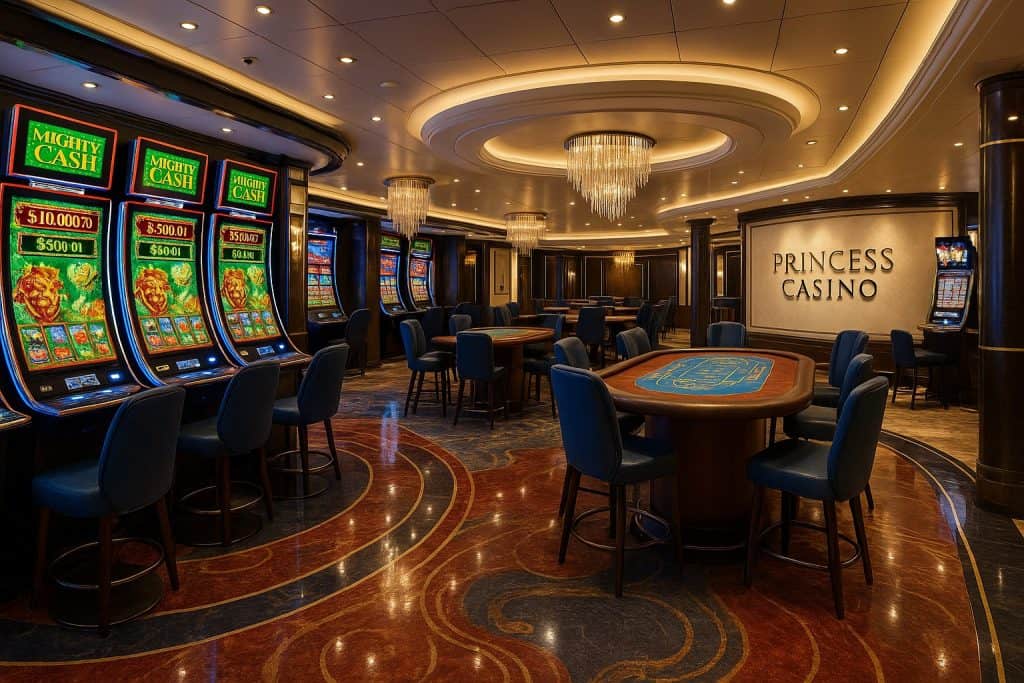
For those generating revenue through casino affiliate programmes, the licensing status of the brands you promote is not a peripheral detail; it is a direct factor in the sustainability of your income stream. When a casino functions under a weak or non-existent licence, the risk of the brand being shut down, having its domain seized, or facing payment processor blacklisting increases dramatically. If that happens, your tracked players and their lifetime value evaporate instantly, and any unpaid commissions become essentially unrecoverable. We have structured our affiliate programme at Princess Casino to operate exclusively within our licensed framework, meaning our commission terms, payment schedules, and tracking methodologies are all subject to the same regulatory transparency requirements as our player-facing operations. This alignment secures that our affiliate partners are not exposed to the arbitrary term changes or opaque reporting that can plague unregulated programmes. A legitimate licence also enables stable payment processing, which means your referred players can deposit smoothly and your commissions can be paid reliably without constant banking disruptions.
Legal Restrictions on Affiliate Marketing
Licensed casinos are not permitted to market their operations without constraint; they must ensure that their affiliate partners also comply with advertising standards set by the relevant regulator. This typically includes prohibitions on directing at minors, requirements to show significant terms and conditions accompanying any bonus offer, and restrictions on making misleading claims about guaranteed winnings or risk-free play. In jurisdictions like the United Kingdom, the operator is held vicariously liable for the marketing conduct of its affiliates, which means we must closely oversee how our brand is being promoted on third-party sites and take corrective action if we identify non-compliant content. For our partners, this means that working with a licensed programme offers clear advertising guidelines that, when followed, protect both parties from regulatory penalties. We supply our affiliates with approved creative materials, compliant bonus descriptions, and regular updates on regulatory changes so that their campaigns remain effective without crossing into territory that could trigger enforcement action against us or them.
Commission Structures and Stability of Licensed Operators
A authorized operator’s accounting obligations establish a standard of clarity that immediately helps affiliates who negotiate income split or combined commission deals. Because we are required to maintain verified financial statements and demonstrate our creditworthiness to the regulator, we are unable to arbitrarily adjust total gaming income figures or postpone compensation payouts through invented operational justifications. Our associate system data is part of the overall business records that are subject to regulatory inspection, which offers our associates with an inherent examination record that unlicensed operators merely do not offer. Additionally, the financial sufficiency requirements mandated by tier-one regulators signify that a licensed casino is significantly less inclined to encounter the cash flow crises that lead unregulated brands to suspend affiliate payments while they “restructure.” When you evaluate a prospective affiliate programme, the license behind the brand is amongst the most powerful forecasters of whether your commission will be determined fairly and settled on time over a long-term partnership horizon.
AML and KYC Obligations
Every reputable licensing regime enforces legally binding anti-money laundering (AML) and counter-terrorist financing (CTF) requirements on its licensees, and these requirements influence the player experience in ways that affiliates should comprehend. At Princess Casino, we are required to authenticate the identity of every player who hits a cumulative deposit or withdrawal threshold, obtaining government-issued photo identification, proof of address, and in some cases source of funds documentation. This is not an discretionary internal policy; it is a regulatory mandate enforced by the threat of licence revocation. The verification process can sometimes introduce friction into the player journey, and affiliates need to set accurate expectations with their audiences about when and why KYC checks take place. However, these same AML controls are what hinder our platform from being used as a vehicle for financial crime, which in turn protects the integrity of the payment processing channels that your commissions rely on. A casino that avoids AML checks may present a faster signup flow, but it is also a casino that banks and regulators will eventually terminate.
The Risk-Based Approach to Customer Due Diligence
Modern AML regulation requires a risk-based approach rather than a one-size-fits-all checklist. This means we must assess each player’s risk profile based on factors such as their country of residence, deposit velocity, use of cryptocurrencies, and whether they show up on politically exposed persons (PEP) or sanctions lists. Higher-risk profiles activate enhanced due diligence, which may include requests for bank statements, tax returns, or evidence of business ownership to verify that the funds being gambled come from legitimate sources. While this can feel intrusive to the player, it is a direct consequence of the casino holding a serious licence. Affiliates who comprehend this framework can create content that equips players for the verification process, lessening the frustration that leads to complaints and chargebacks. We supply our partners with clear documentation on our KYC stages so they can accurately inform their audiences that a request for documents is a sign of a properly regulated operation, not an attempt to delay payouts.
Reviewing a Licence for Partner Programme Selection
When we speak with potential affiliates who are comparing multiple casino programmes, we advise them to make the licensing question the very first filter in their evaluation process, before they even look at commission percentages or brand aesthetics. The licence determines the legal durability of the operator, the reliability of its payment infrastructure, the integrity of its game outcomes, and the enforceability of its terms and conditions. A programme offering a fifty percent revenue share from an unlicensed or weakly licensed casino is offering a percentage of something that may not exist in six months. We advocate a structured approach: first, identify the exact legal entity named on the licence and verify it on the regulator’s live register; second, search for any enforcement history associated with that entity; third, ensure that the licence covers the specific products and markets the casino is targeting; and fourth, verify whether the affiliate programme terms are governed by the same regulatory framework as the player terms. This four-step check takes less than thirty minutes but can prevent years of frustration and lost income.
- Verify the licensee’s legal name on the regulator’s official public register, not just on the casino’s own website.
- Search the regulator’s enforcement announcements and public statements for any sanctions against the entity or its key personnel.
- Verify the licence covers the exact game types offered and the jurisdictions where the casino actively markets.
- Ensure that affiliate terms reference the same regulatory dispute resolution process as player terms, ensuring alignment of accountability.
- Evaluate whether the regulator requires segregated player funds, as this protects your referred players’ balances in worst-case scenarios.
- Review the licence’s responsible gambling mandates to understand how player protection interventions may affect your long-term retention metrics.
Safe Betting Requirements and Provider Obligations
A defining characteristic of each trustworthy licensing body constitutes the depth of its responsible gambling requirements, which have developed from vague aspirational statements into precise compliance obligations. We are required to give players the ability to set deposit limits, loss limits, session time limits, and self-exclusion periods that are applied automatically across all products on our platform. Critically, we must also observe player behaviour for markers of harm—such as recovering deficits, depositing at unusual hours, or escalating bet sizes after a series of losses—and step in with mandatory cool-off periods or direct communication from our responsible gambling team. These interventions are not considered optional customer service gestures; they are regulatory obligations that are audited during compliance reviews. For affiliates, endorsing a brand that takes responsible gambling seriously is both a principled obligation and a strategic benefit, because players who are given tools to control their spending are more likely to remain long-term, sustainable customers rather than exhausting themselves in a single destructive session.
Player Blocking Frameworks and Multi-Operator Programs
Many licensing jurisdictions now demand participation in centralised self-exclusion databases that cover multiple operators. When a player self-excludes through our platform, we must not only block their access to Princess Casino but also report their details to a national registry that stops them from opening accounts at other licensed sites within the same jurisdiction. This cross-operator protection is a powerful harm-minimisation tool, but it also means that self-excluded players are permanently removed from the addressable market for all licensed affiliates in that region. We view this as a necessary cost of operating ethically, and we are honest with our affiliates about the impact of self-exclusion on player volumes. The alternative—operating without such a scheme—would expose vulnerable individuals to unchecked harm and would ultimately provoke regulatory crackdowns that hurt the entire affiliate ecosystem. Affiliates who comprehend the self-exclusion infrastructure can better evaluate player churn data and acknowledge that some lost players are the result of a functioning player protection system rather than a product flaw.
Regulatory Enforcement Actions and What They Indicate
Regulatory enforcement is the process that gives a licence its value; a regulator that fails to sanction misconduct is nothing more than a fee-collection body. The top authorities issue comprehensive enforcement notices when they levy fines, revoke licences, or set specific conditions on operators. These public records are an essential due diligence tool for affiliates assessing which brands to work with. When we review an enforcement notice, we assess the nature of the violation: a fine for a minor reporting delay is substantially different from a punishment for widespread anti-money laundering shortcomings or for failing to pay out player winnings. A pattern of major enforcement actions suggests an operator whose compliance culture is reactive rather than embedded, and associating with such a brand places affiliates at higher risk of future disruptions. At Princess Casino, we keep a spotless regulatory record not by avoiding scrutiny but by allocating funds to compliance teams and infrastructure that make regulatory compliance a routine operational task rather than a periodic panic exercise.
Understanding Settlement Versus Adjudicated Penalty
When reviewing enforcement notices, it is crucial to tell apart a regulatory settlement and an adjudicated penalty imposed after a complete hearing. A settlement often includes the operator accepting to pay a sum and carry out remedial steps without acknowledging fault, which can point to a pragmatic settlement of a marginal issue. An adjudicated penalty, by difference, results from a formal ruling of breach and constitutes a conclusive ruling that the operator violated specific licence conditions. For affiliate vetting, an operator with multiple adjudicated penalties should be treated with great caution, as it points to a pattern of conduct that the regulator has formally condemned. We suggest our partners to review the public registers maintained by the MGA, UKGC, and other prominent regulators at least once a quarter, because penalties against one brand can sometimes uncover systemic problems affecting various white-label casinos operating under the same platform operator or master licence holder.
Key International Licensing Regulators
The global landscape of gambling regulation is fragmented, with each jurisdiction developing its own legal philosophy, tax structure, and enforcement style. Some regulators focus on operator flexibility and business-friendly tax rates, while others impose rigorous player protection mandates that can delay market entry but yield a higher trust premium. We have observed that the most successful affiliate partnerships are built around brands licensed in jurisdictions where the regulator is both respected and proactive, because player confidence directly impacts conversion and retention metrics. Below, we review the bodies that consistently appear at the top of any serious compliance discussion, noting what distinguishes their approach and what their seal on a casino footer actually guarantees. No single licence is universally perfect, but understanding the hierarchy helps affiliates and players make informed choices about where to place their trust and their marketing resources.
MGA
This regulator remains the gold standard for online gambling regulation within the European market, having established many of the frameworks that newer jurisdictions later adopted. Its licensing process is extremely thorough, necessitating a detailed business plan, proof of initial capitalisation, background checks on all ultimate beneficial owners, and a fully deployed technical environment before a licence is issued. Once operational, MGA licensees must adhere to the Gaming Player Protection Regulations, which set granular rules on bonus terms transparency, maximum withdrawal processing times, and the segregation of player funds. The authority also operates a dedicated Player Support Unit that intervenes directly in unresolved disputes, and its decisions are binding on the operator. For affiliates promoting Princess Casino, the MGA licence is a powerful trust signal because it confirms that our advertising, terms and conditions, and actual payout behaviour are all subject to ongoing regulatory audit rather than periodic self-review.
UKGC
The United Kingdom Gambling Commission is considered the most enforcement-heavy regulator in the sector, with a statutory mandate that places player safety over commercial convenience. Its licensing requirements include prescriptive rules on identity verification, requiring that age and identity checks be completed before a player can fund a single pound, not merely before withdrawal. The Commission also applies strict affordability checks and has the authority to levy multi-million-pound fines for widespread failures in anti-money laundering controls or responsible gambling interventions. From an affiliate perspective, the UKGC’s oversight means that any brand carrying this licence has endured a level of operational scrutiny that less strict regulators simply do not attempt. However, the Commission’s tough rules on marketing and bonus advertising also affect how affiliates can promote UKGC-licensed brands, making it vital to review the latest CAP guidance before launching any campaign that aims at British consumers.
Curacao’s eGaming authority and the Sub-Licence Model
Curacao has long been the entry point for many online casinos due to its comparatively low application fees and simplified compliance requirements, but its governance structure stands apart from the MGA or UKGC model. Rather than issuing individual licences to each operator, the Curacao government allocates a small number of master licences to private companies, which then issue sub-licences to individual casino brands. This indicates the direct regulatory relationship is between the operator and the master licence holder, not between the operator and the government itself. While this model allows for faster market entry, it has historically offered weaker player protection mechanisms and less proactive government oversight. Recent reforms have aimed to establish a more independent Curacao Gaming Authority with direct licensing powers, and we monitor these developments closely. Affiliates should be aware that a Curacao sub-licence is not automatically fraudulent, but it does not carry the same built-in assurance of fund segregation enforcement or independent dispute resolution that a tier-one European licence provides.
Gibraltar’s Regulatory Authority and the Isle of Man
Gibraltar and the Isle of Man fill a particular niche, functioning chiefly as licensing hubs for proven, well-capitalised operators rather than startups. The Gibraltar licence is notably appreciated by listed gambling companies as the jurisdiction’s tax framework and regulatory philosophy are intended to support large-scale international operations while preserving credible oversight. The Gibraltar Gambling Commissioner applies a code of practice that covers all the usual areas of player protection, but the jurisdiction’s reputation relies largely on the standard of the operators it admits rather than on aggressive public enforcement actions. The Isle of Man Gambling Supervision Commission similarly offers a reputable licence with a solid emphasis on player fund protection, demanding that all deposits be held in a trust account that is externally monitored. For affiliates, a Gibraltar or Isle of Man licence is a trustworthy indicator that the operator has substantial financial backing and a long-term strategic horizon, which reduces the risk of a brand vanishing overnight with unresolved player liabilities.